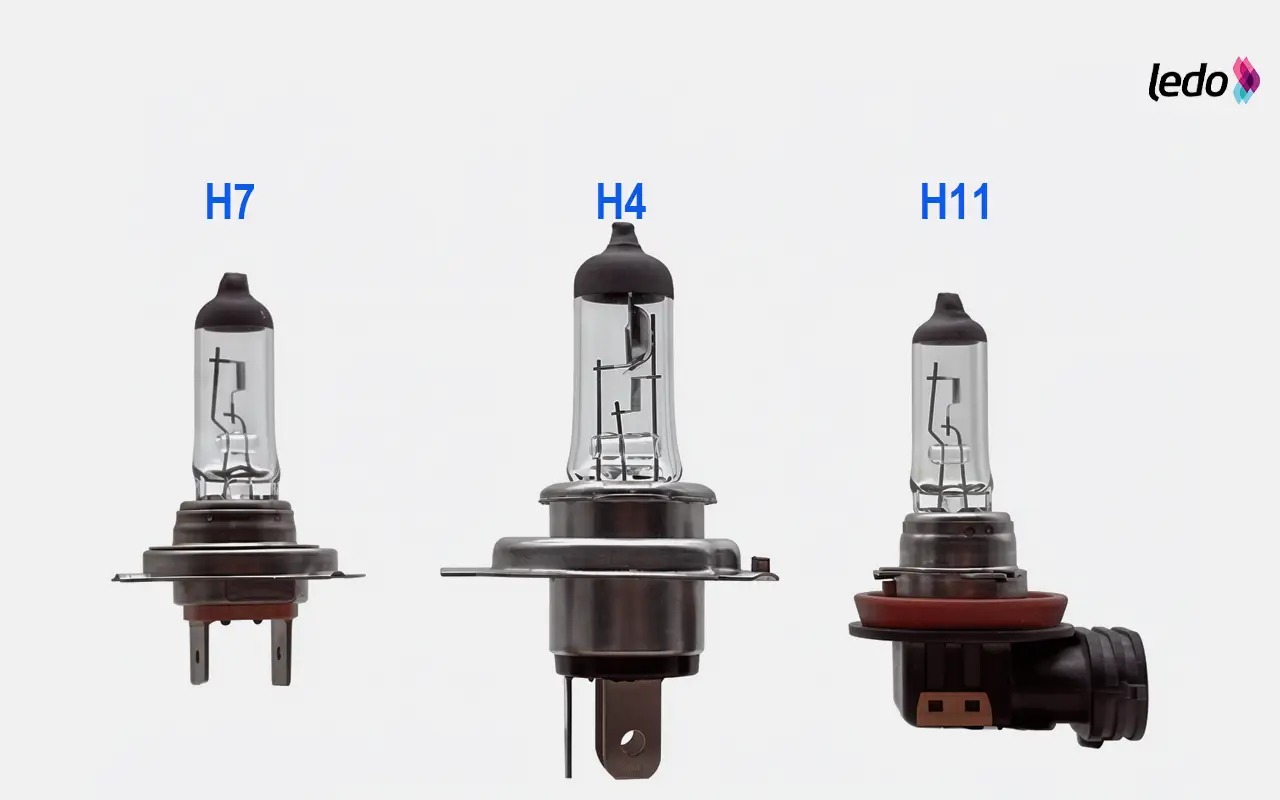
When buyers compare beam pattern H11 LEDr performance, lumen output is only the total amount of light leaving the source. It does not show where that light lands after the source is installed in a reflector or projector. Two sources with equal measured lumens can therefore produce very different results: one can preserve the intended cutoff and useful road illumination, while the other can send excess intensity into glare areas. Optical equivalence matters because the lamp optics were designed around the position, size, and distribution of the original H11 filament, not around a lumen claim on a box.
Can Two Bulbs With the Same Lumens Perform Differently?
Yes, and the difference decides whether a product belongs in a compliance conversation at all. Luminous flux is a total quantity, so it places no constraint on angular distribution. That is why the equivalence work behind LED replacement light sources evaluates a different set of properties. The criteria developed in the UNECE GRE process (GRE-83-15, informal document) group the parameters that must stay the same, stay similar, or remain technically different but controlled, and the similar group covers the size and position of the light-emitting area, its uniformity, near-field contrast for road-lighting categories, and the normalized far-field intensity distribution. Total flux appears in that framework as one condition among several, never as a substitute for the rest.
Why Do Lumens Mislead?
Lumens describe total luminous flux. A lumen value does not describe the direction of the light, the shape of the emitting area, its position relative to the PGJ19-2 reference plane, or the intensity seen at a particular angle. Those missing details determine how a headlamp reflector or projector forms its beam.
This is why the common lumens vs beam pattern comparison is not a contest between brightness and safety. They measure different things. Flux tells a buyer how much light a source emits in total. Beam data shows whether the lamp system places that light in useful and controlled areas.
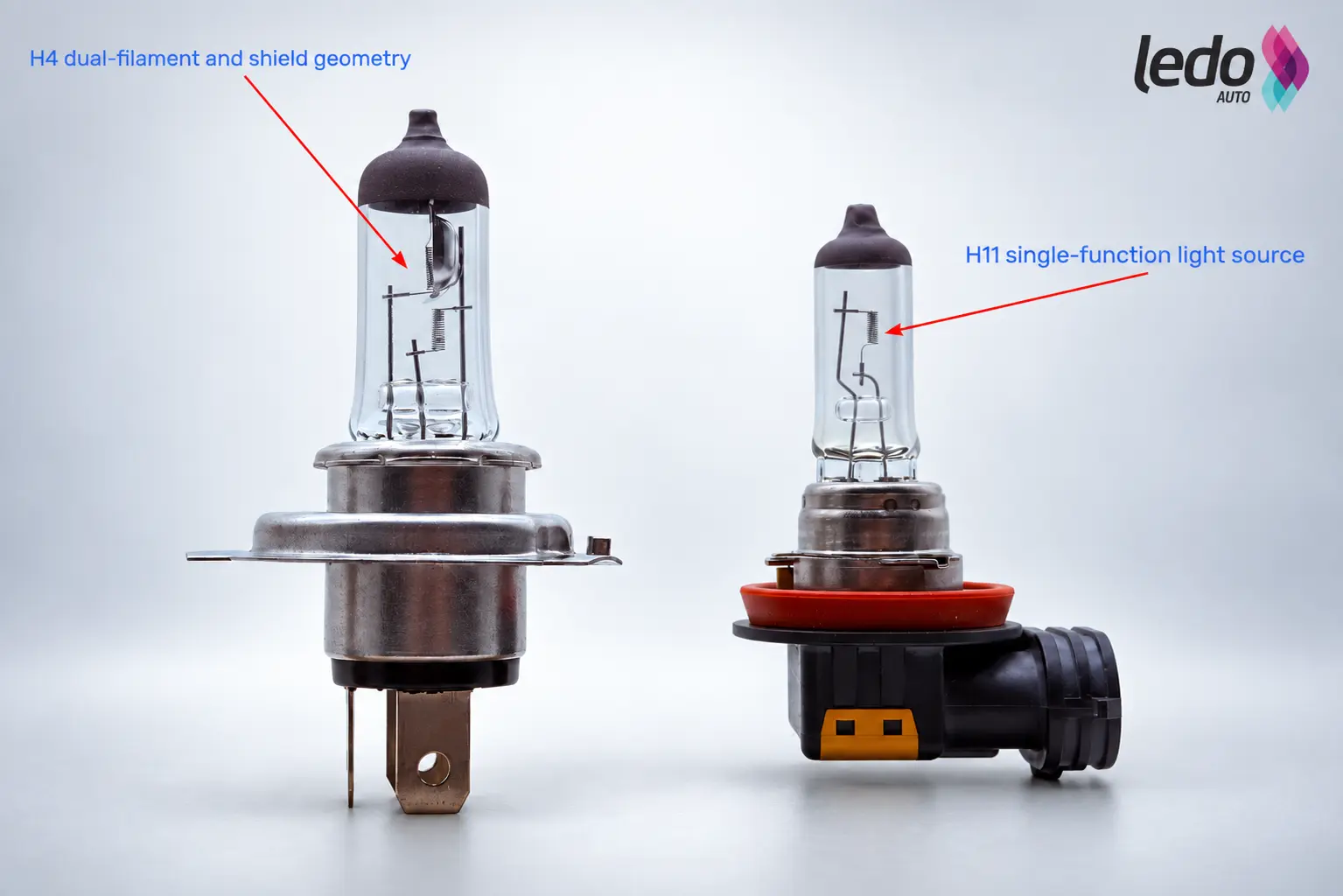
An H11 halogen filament has a defined location and a compact emitting geometry. A halogen replacement that uses LED emitters must give the optics a sufficiently equivalent optical input. If the emitting surfaces are too large, shifted forward, shifted backward, or distributed differently around the source axis, rays reach the reflector from different points. The reflector then sends them in different directions. More total flux cannot correct that geometric error. It can make the unwanted light stronger.
UN R37 approval is not based on a marketing lumen number alone. The current regulatory basis is UN Regulation No. 37, Revision 7, Amendment 11. The equivalence assessment prepared for the H11 LEDr category applied the same parameter logic to this specific category rather than to a general brightness target. These controls address whether the LED source behaves like the filament source that the lamp optics expect.
The practical buyer question is therefore specific: does the offered product type have evidence that connects its light-source geometry and photometry to a controlled beam result? A high lumen claim without that evidence is incomplete.
What Does a Correct Beam Pattern Look Like?
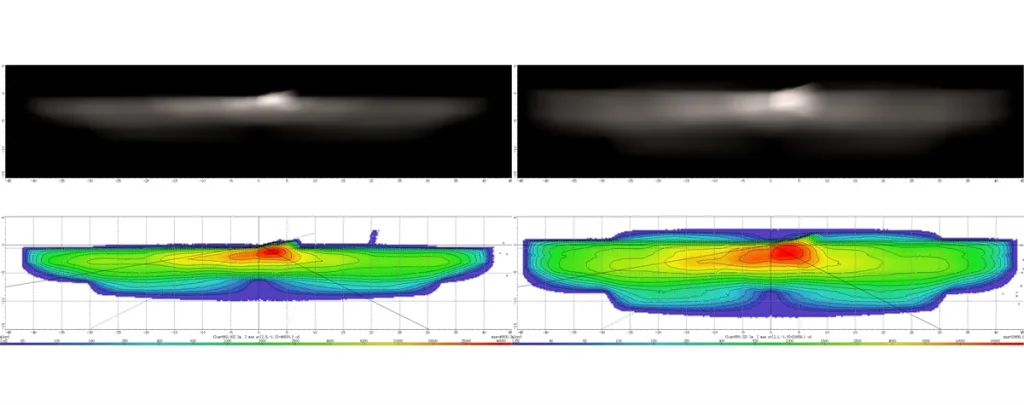
A correct low-beam pattern puts useful intensity on the road while keeping light controlled above and around the cutoff. The exact pass or fail decision belongs to the applicable lamp regulation and its prescribed test setup. A website photograph against a wall cannot replace that measurement.
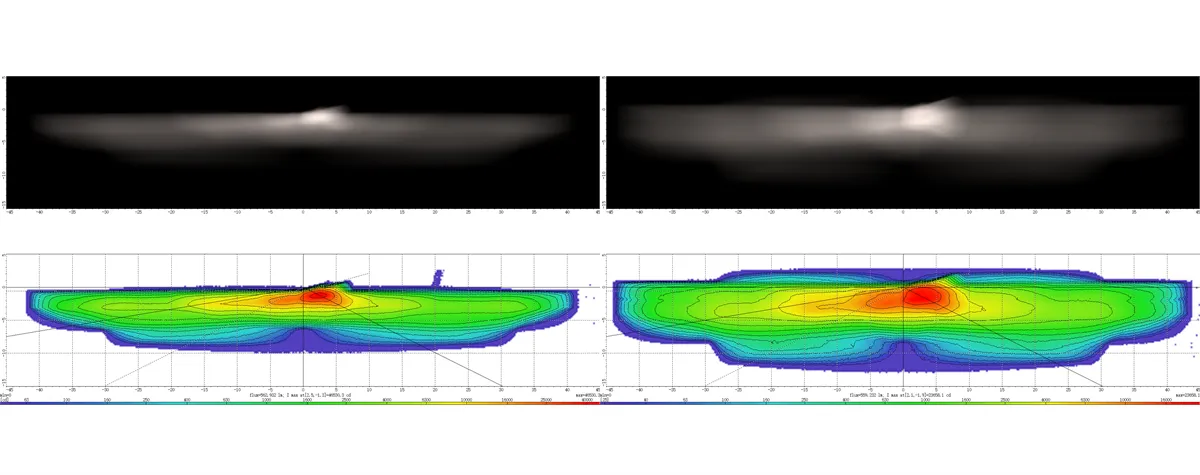
For a useful engineering comparison, the same lamp, alignment, supply conditions, screen distance, and measurement method should be used for the reference H11 filament source and the H11 LEDr sample. The images should use the same scale. Automatic camera exposure or separate color scales can make a weaker pattern look stronger or hide glare, so the report should disclose how the images were normalized.
The comparison should let a buyer inspect three visible features without treating them as standalone approval criteria. First, the cutoff should remain stable and clearly located. Second, the main intensity region should remain where the lamp design places useful road light. Third, the beam width and light above the cutoff should not expand simply because the replacement produces a different emitter image.
GRE-84-02, an informal UNECE GRE study from 2021, tested LED replacement combinations in lamps and recorded that some combinations produced unfavorable results in glare areas. Its status matters: the study illustrates the optical risk and does not prove approval or non-approval of a current LEDOAUTO product.
Where Is Glare Measured?
Glare is assessed at defined angular or screen locations in the applicable lamp photometry procedure. Terms such as B50L, HV, cutoff, hotspot, and maximum lamp intensity belong to lamp-level measurement frameworks. They are not interchangeable with the light-source-level checks in an H11 LEDr category sheet.
That distinction prevents a common supplier error. A source report can show luminous flux and selected source-level intensity data, but those figures do not automatically establish that every headlamp will pass every lamp-level glare point. Conversely, an image from one lamp does not replace the type-approval evidence for the light source.
For glare control LEDr evaluation, buyers should ask what was measured and at which level. A light-source report should identify the product type, sample state, operating voltage, stabilization method, temperature conditions, equipment, coordinate system, and relevant category limits. A lamp-level report should also identify the lamp, aim, screen distance, reference source, test points, and applicable lamp regulation.
Temperature belongs in this evidence chain. LED output changes as the device warms, and mechanical or optical behavior must be assessed under the conditions required by the method. A cold-start image and a stabilized measurement answer different questions. Suppliers should report the stabilization procedure rather than selecting the brightest frame.
How Should Buyers Read a Supplier’s Test Data?
Start by identifying the claim. If the supplier claims UN R37 approval for an H11 LEDr type, match the category, type, physical marking, approval holder, and approval document to the actual sample. A PGJ19-2 cap confirms a standardized interface; it does not, by itself, prove approval or road use. An E-mark must also be tied to the correct regulation and product type.
Next, separate source data from lamp data. Source data should cover the approved category requirements and the tested configuration. Lamp data should name the lamp and explain how the beam was measured. Check whether comparison images use the same alignment and scale. Ask for raw or tabulated results when a graphic uses broad color bands that hide small changes.
Then review the operating conditions. Record voltage, ambient condition, warm-up or stabilization time, sample count, test equipment, and any software version used for simulation. If the supplier changed the emitters, driver, cap, housing, or thermal path after testing, ask whether the report still applies to the offered type.
For product-level review, request the matching approval file and beam evidence, and ask an engineer to explain any difference between the reference and replacement plots. Approval, fitment, and beam evidence should agree before a sourcing decision moves forward.
Frequently asked questions
By Jack Liu — Co-founder & Product Director, LEDOAUTO
Regulatory review: LEDOAUTO Engineering Team, verified against official UNECE documents
Last reviewed: 22 July 2026
References
Why Beam Pattern Matters More Than Lumens in H11 LEDr
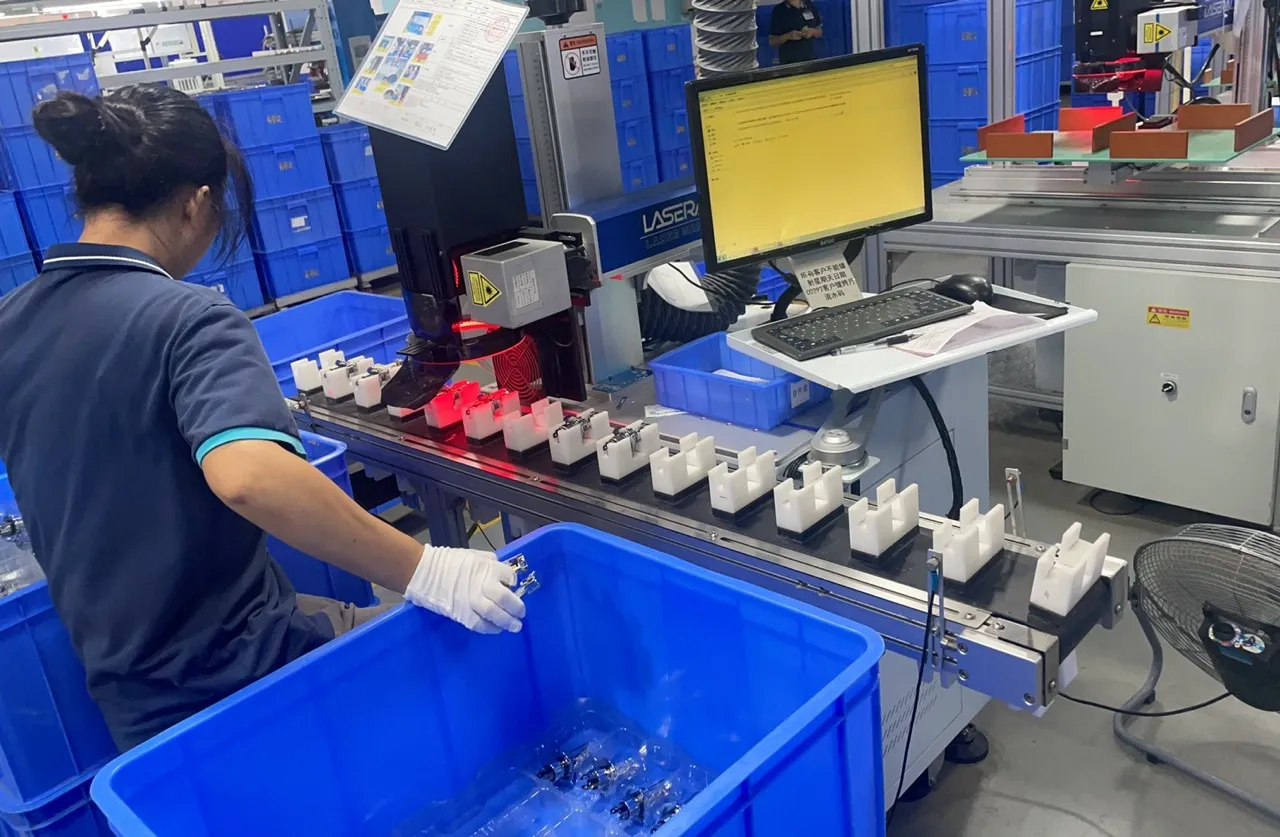
How to Source Road-Legal H11 LED Bulbs from China
Is H4 LEDr Legal? Why Dual-Beam Replacement Is More Difficult Than H11

Is H7 LEDr Legal in Europe? Current Status, Technical Barriers and Buyer Risks