How to Verify an ECE R37 H11 LEDr Certificate Before Importing
Verify an H11 LEDr approval claim by matching the certificate, bulb marking, approved type, report index and target-market conditions.

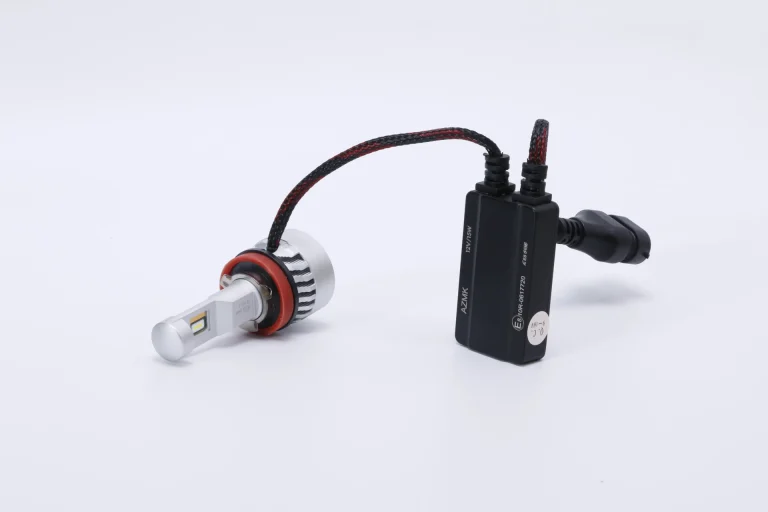
Verify an H11 LEDr approval claim by matching the certificate, bulb marking, approved type, report index and target-market conditions.
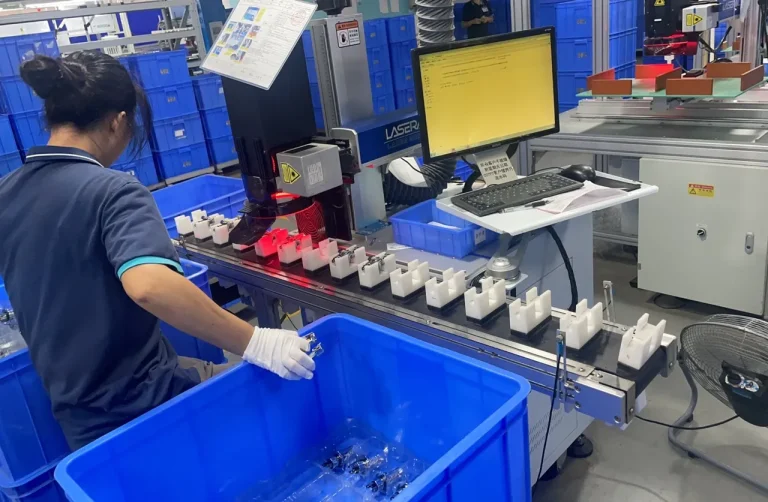
Source H11 LEDr bulbs from China with a traceable approval-to-product evidence chain. This guide shows buyers how to screen suppliers, verify UN R37 documents against marked samples, review test and production controls, and set purchase-order requirements before committing to a bulk order.
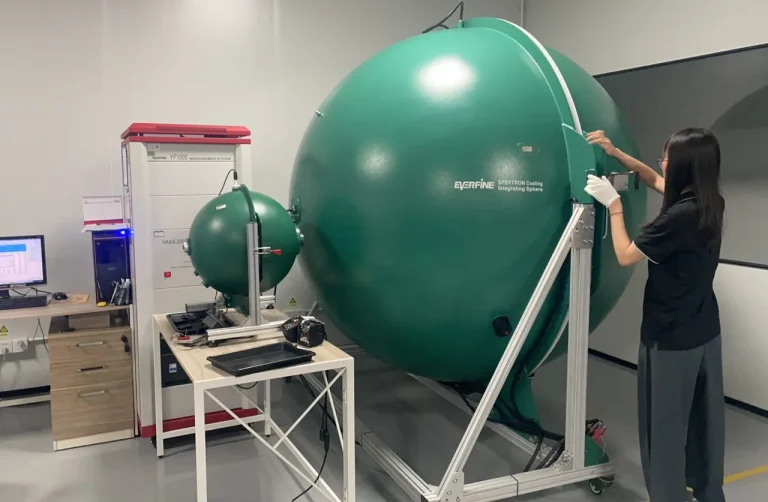
Before placing a bulk H11 LEDr order, check eight groups of supplier evidence: type approval, certificate holder, production controls, test reports, R10 coverage, product markings, batch traceability, and warranty terms. Match the documents to the quoted product and sample, and hold the order if evidence is missing or inconsistent.
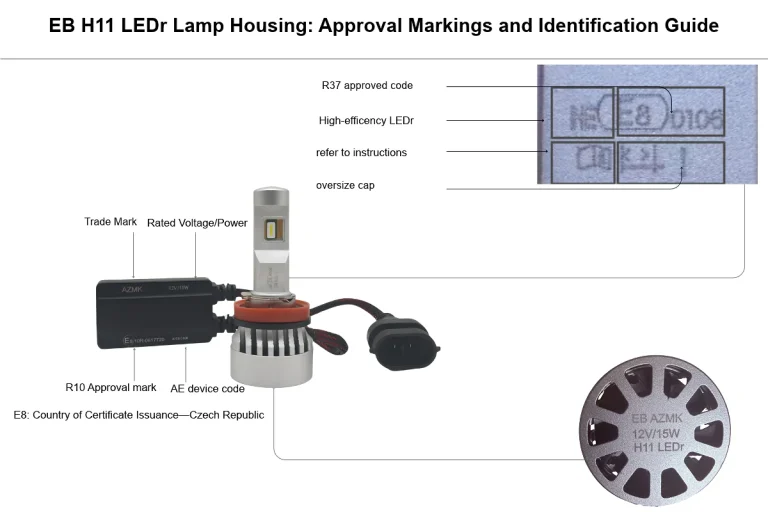
Learn how to read an E-mark on an H11 LEDr bulb, identify the country code, approval code and category marking, and compare them with the R37 approval documents. This guide also explains what the mark cannot prove and what buyers should verify before approving a sample or placing an order.
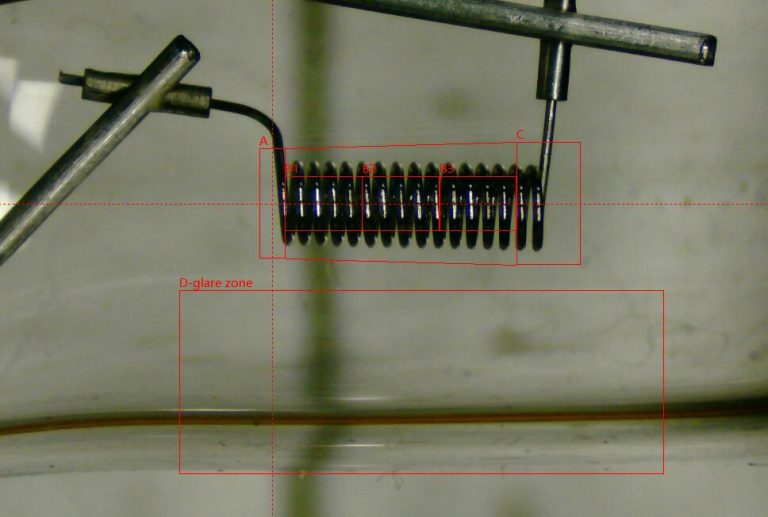
An ECE R37 LEDr is not “an LED bulb with a certificate.” It is a standardized replacement light source, approved under UN R37 for a named category (currently C5W, H8, H11, H16 and HB4), engineered to reproduce the geometry and light output of the halogen bulb it replaces, and tied to an approval number that can be checked against the certificate. Road use depends on the approval scope, correct installation and the rules of the target market. Everything a buyer needs to verify follows from that definition.
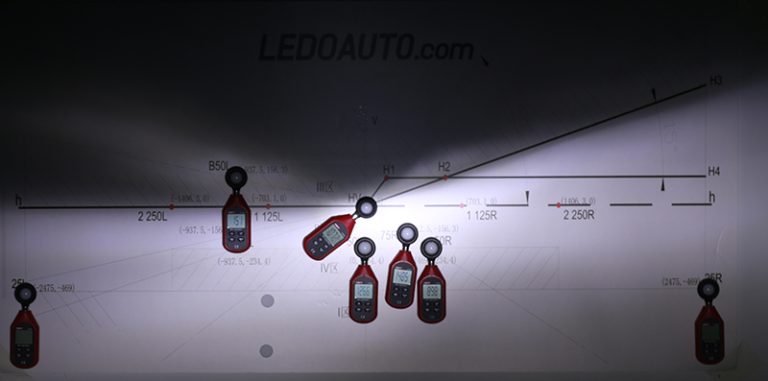
In this post, we will introduce to you the methods to select the best led headlights with fan or…
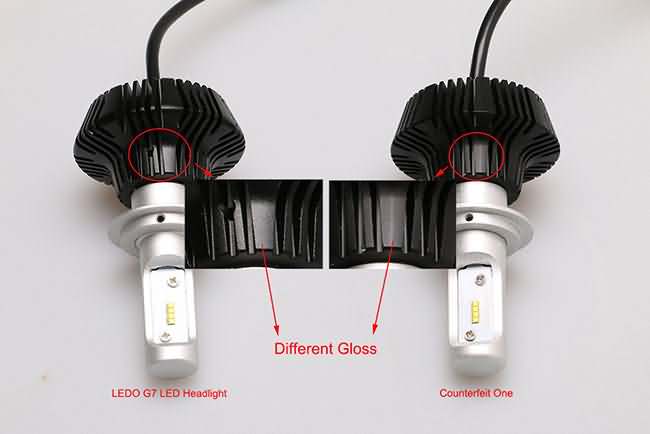
Recently we found that there is a counterfeit G7 LED headlight sold in the market. Whatever on appearance or…