
This article is part of our engineering review archive and records the construction, optical performance, temperature and operating noise of one Philips H11 LEDr sample.
Test conditions
Illuminance was recorded at the defined E-Mark measurement-panel points at a distance of 3.5 m. The lamp operated at 13.2 V in a 26 degrees C room and was warmed for 30 minutes before the illuminance readings were taken. Operating noise was measured 3.5 cm from the fan.
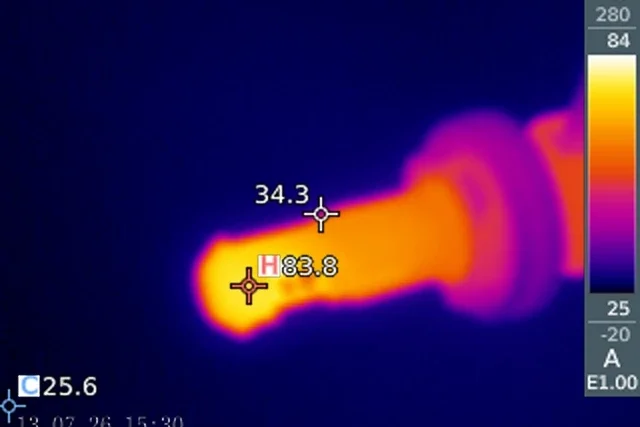
The emitting-area surface temperature was recorded at the standardized 30-minute point.
What this review found
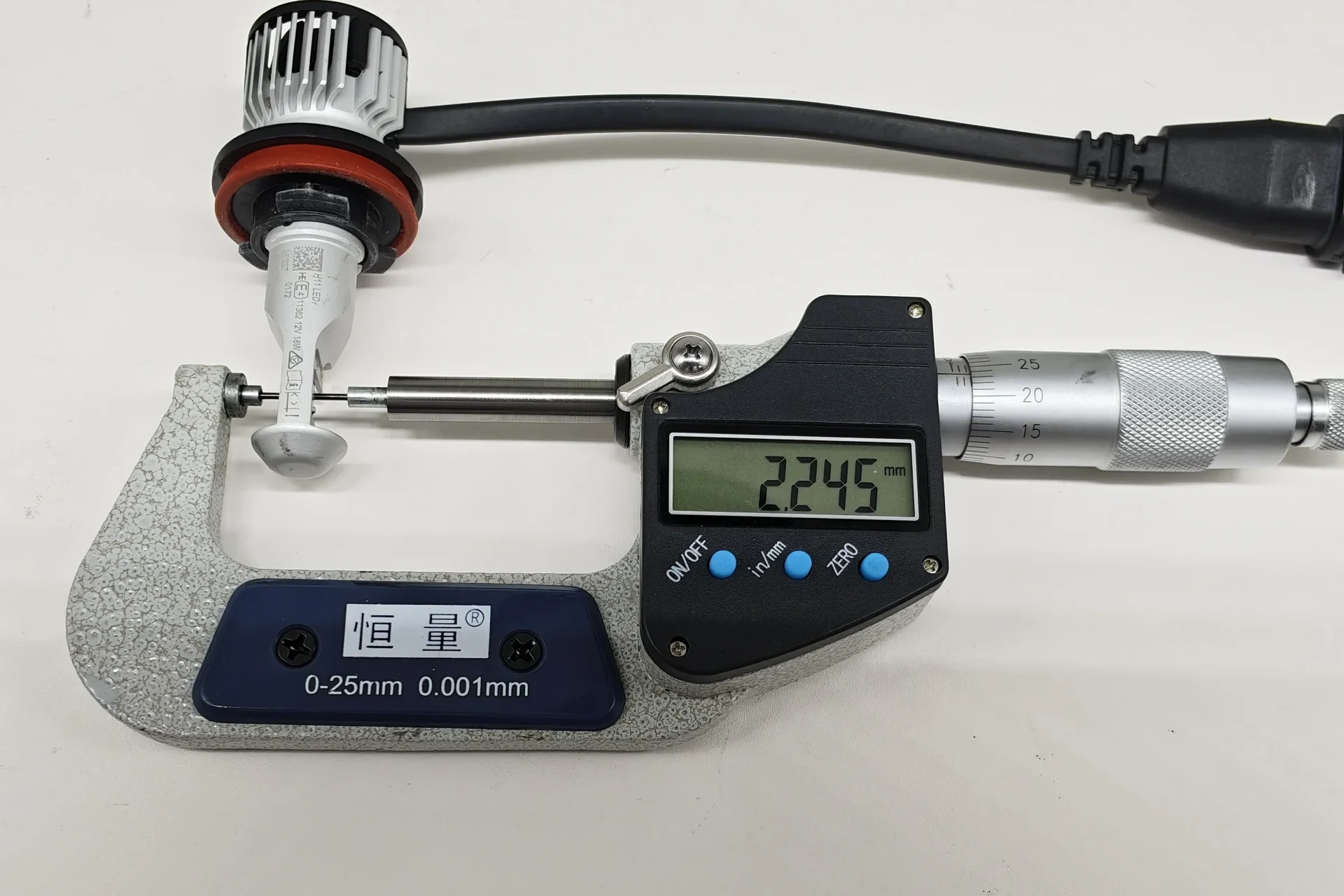
The Philips H11 LEDr uses an ECE R37-approved Configuration-2 layout, with 2.245 mm between the opposing LED emitting surfaces—within the 2.9 mm limit. Keeping the two emitting surfaces close to the original filament position helps the headlamp optics form the intended low-beam distribution instead of scattering light outside the designed pattern. The recorded white-wall beam and nine-point illuminance results provide the practical evidence; the spacing measurement alone is not treated as proof of optical performance.
Its finned aluminium body and integrated fan remove heat from the emitting area, while the external driver places part of the electronic circuitry outside the lamp body. This supports a more compact installation section but adds a driver module and cable that must be accommodated behind the headlamp. After 30 minutes, the recorded temperature was 83.8°C; operating noise was 56.7 dBA at 3.5 cm. The design therefore provides active thermal management with measurable fan noise as its main practical trade-off.
Packaging and included parts
The retail packaging was accidentally damaged through handling during transport. As a result, this review does not include photographs of the package and contents, package dimensions or empty-package weight.
Construction and performance testing continued using the enclosed Philips lamp and driver.
H11-specific PGJ19-2 interface and lamp construction
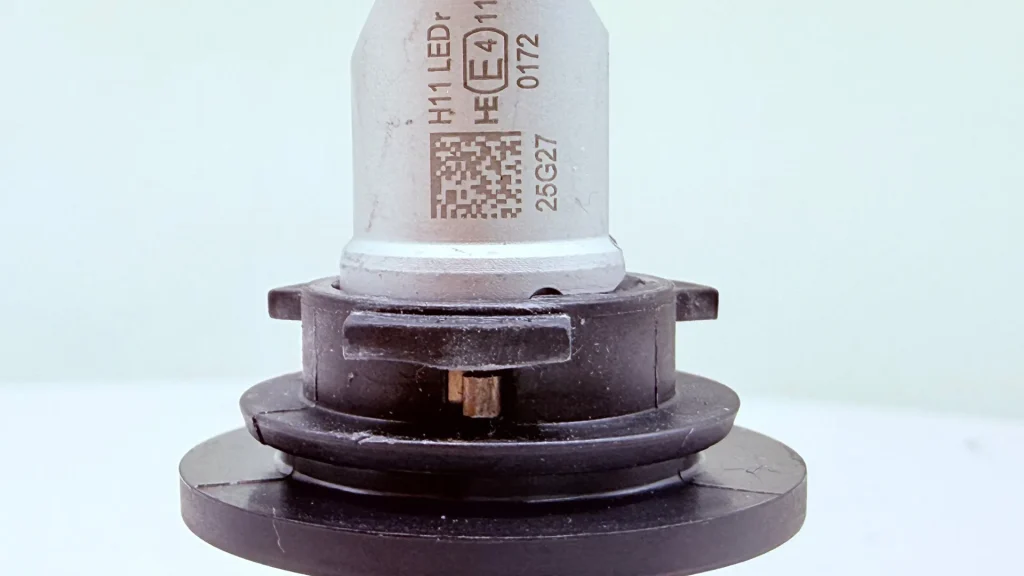
The product photographs show a keyed H11 base, an orange sealing ring, a metal locating structure, a silver heat sink and a compact rear fan. The PGJ19-2 interface can be checked against the IEC lamp-base specifications; our ECE R37 background explains the regulatory context used across this review series.
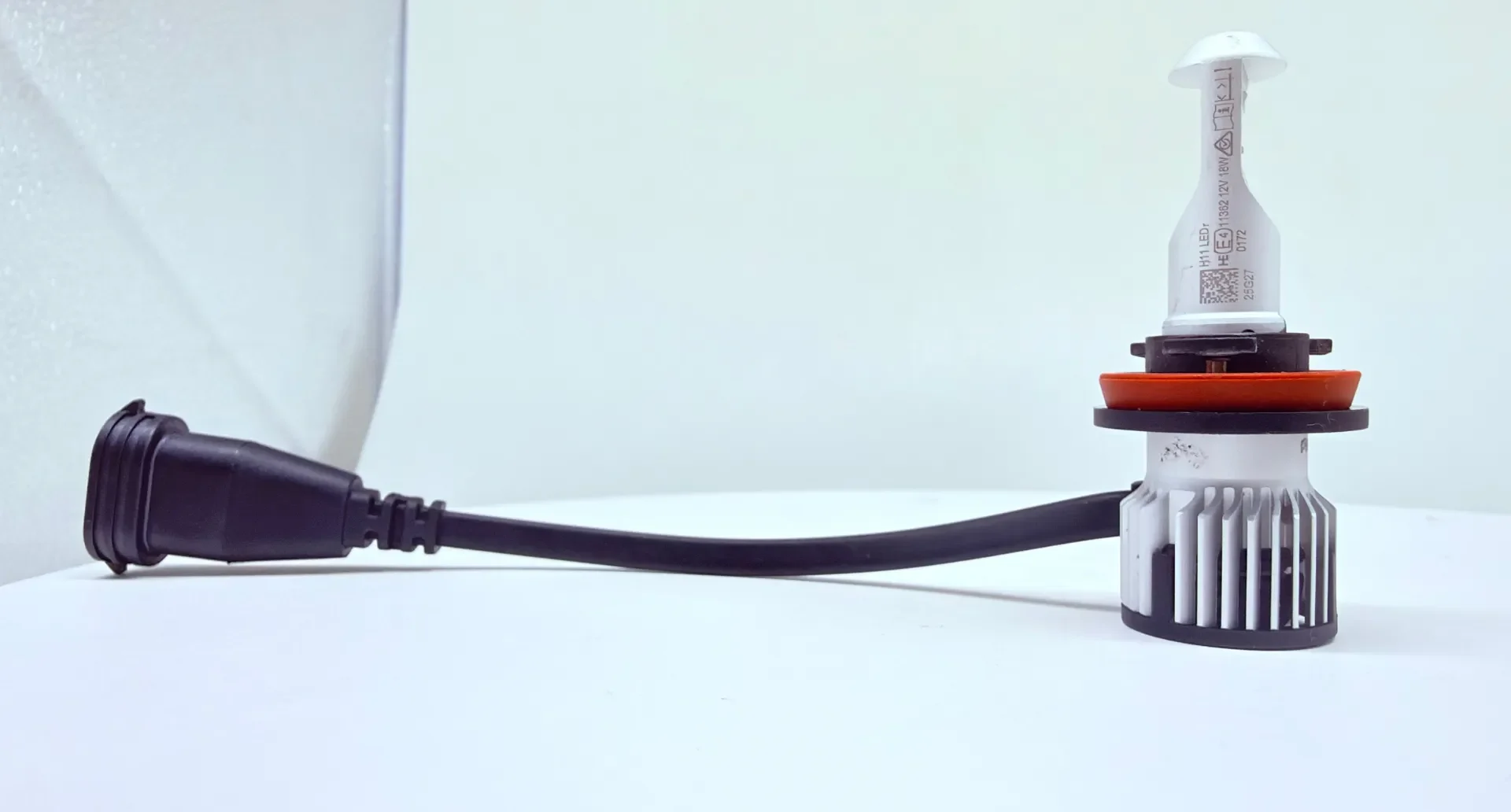
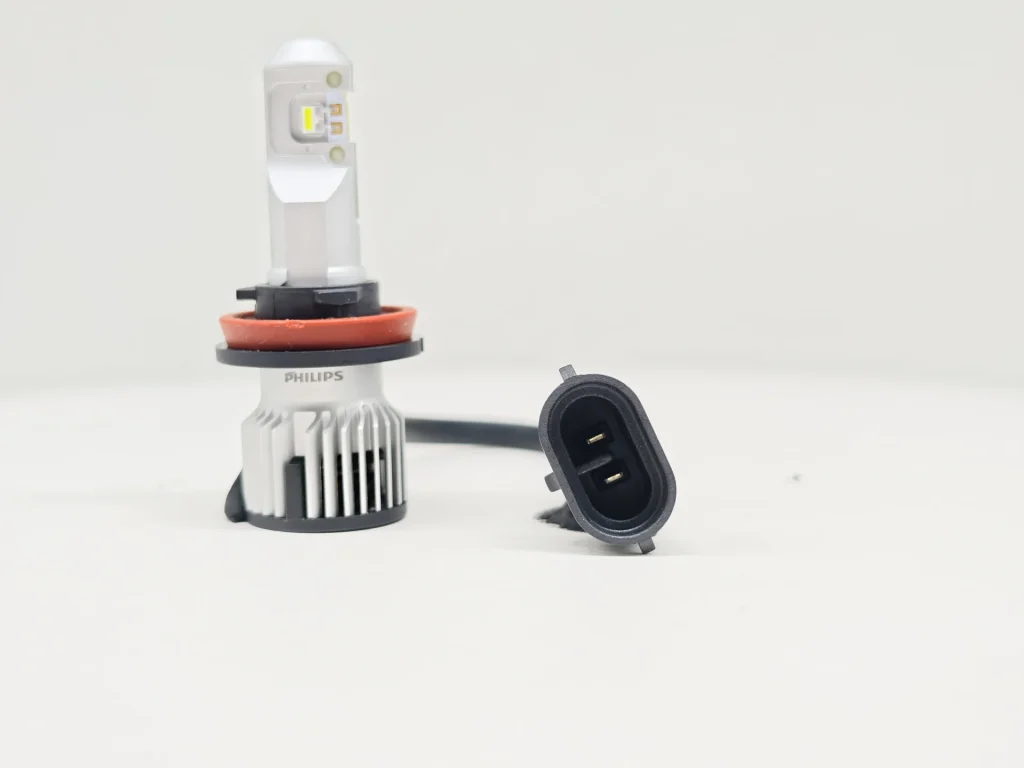
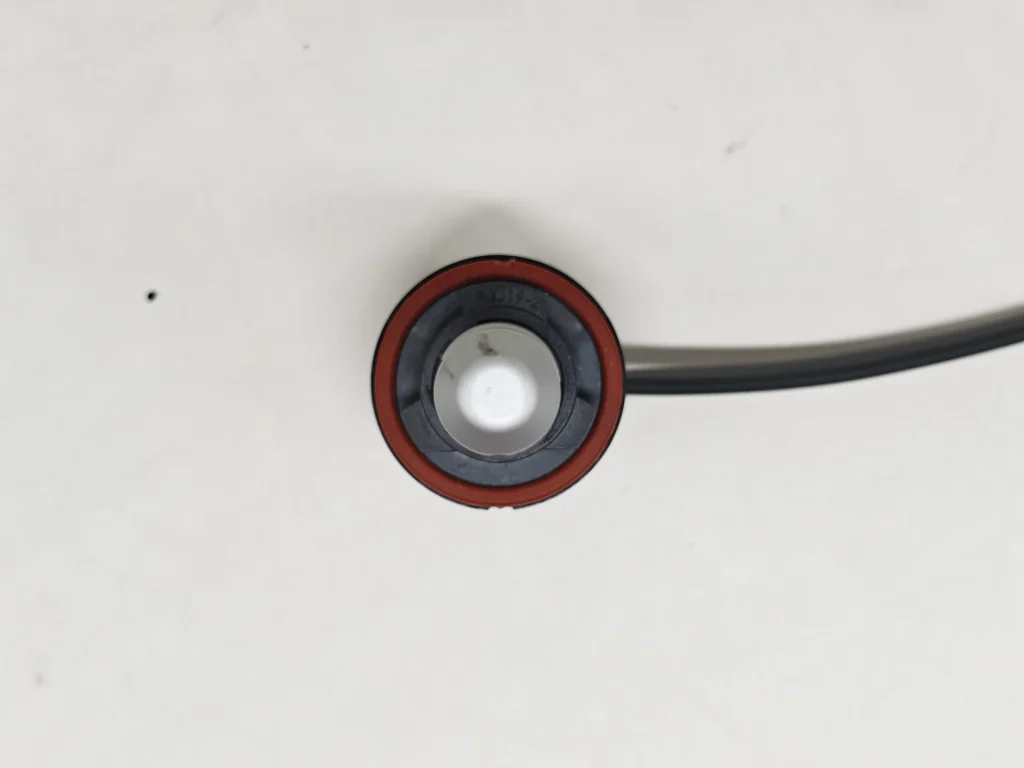
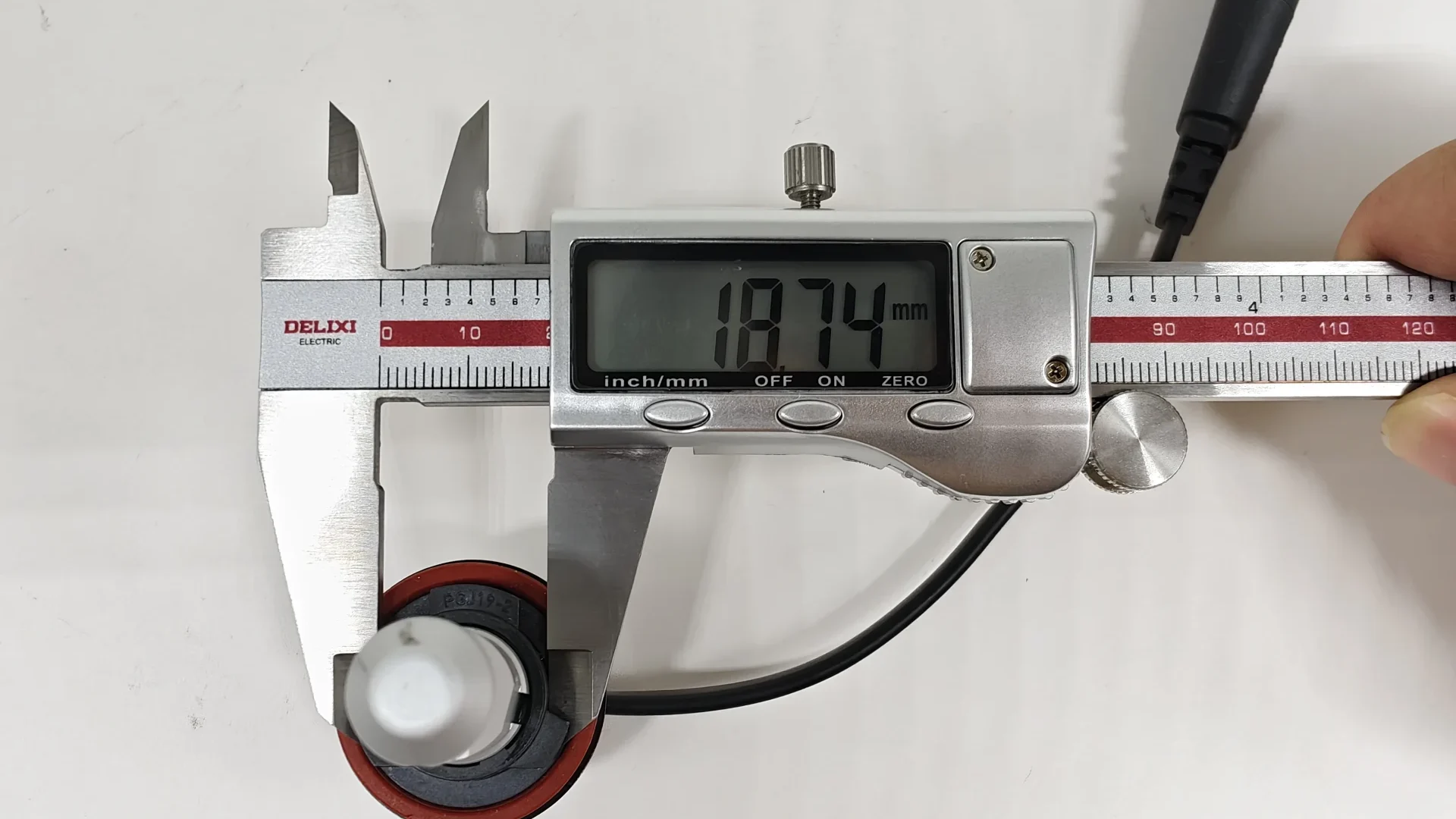
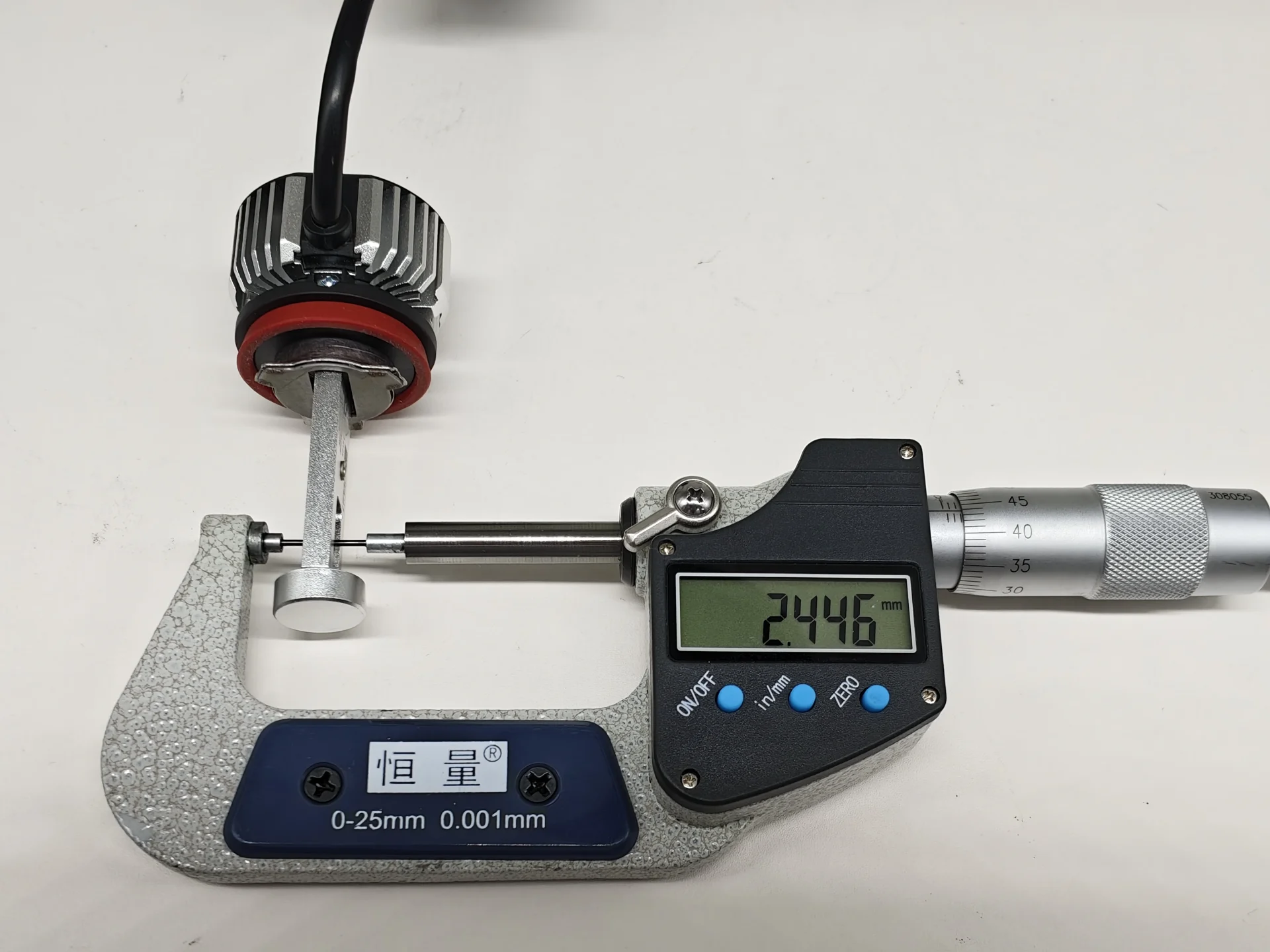
Opposing LED emitting surfaces: 2.245 mm separation
The R.E.5 H11 LEDr Configuration-2 limit is 2.9 mm. The reviewed Philips sample measured 2.245 mm between the two opposing LED emitting surfaces.
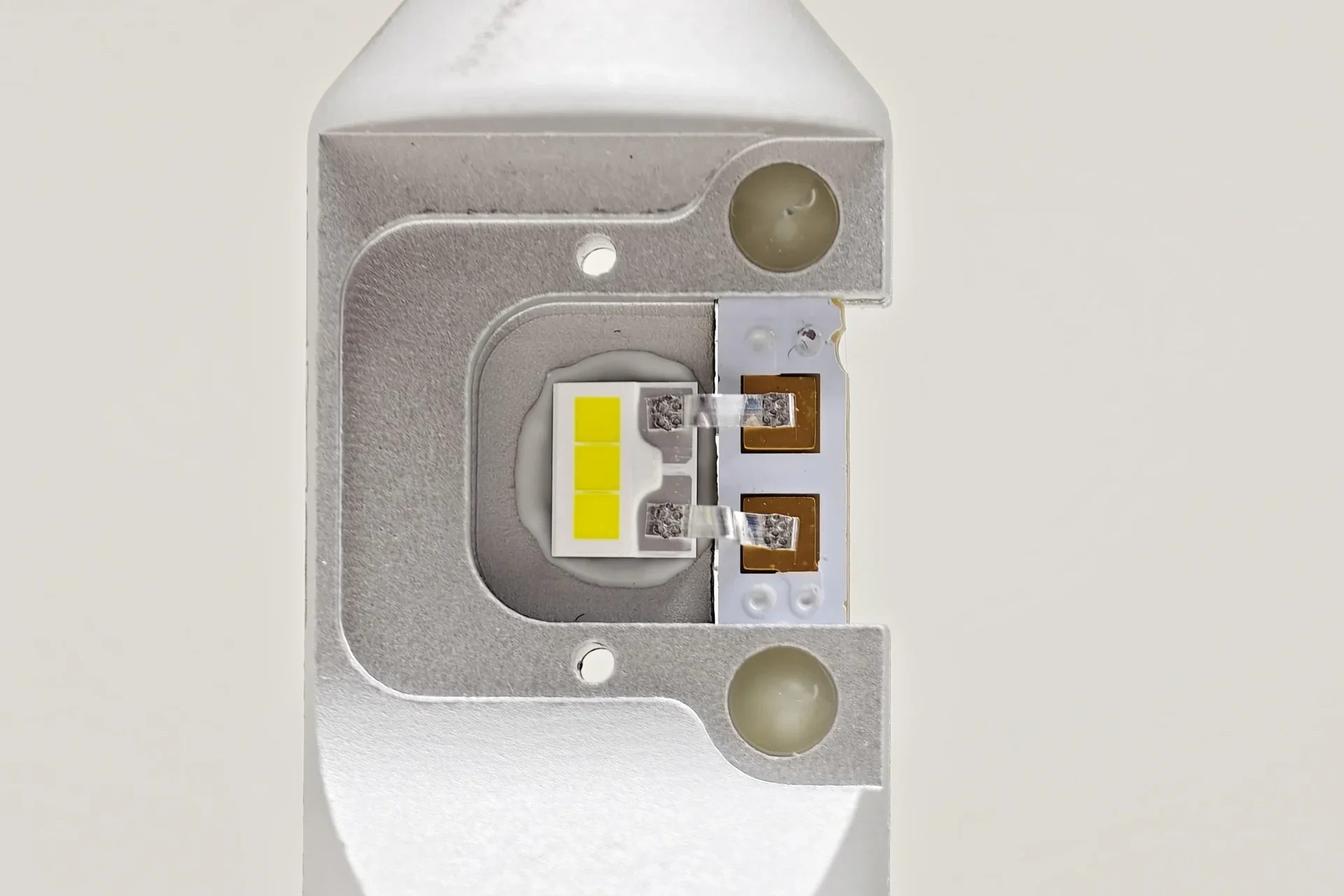
The close-up shows the emitting area on this Philips sample. The micrometer image records the corresponding separation value directly.
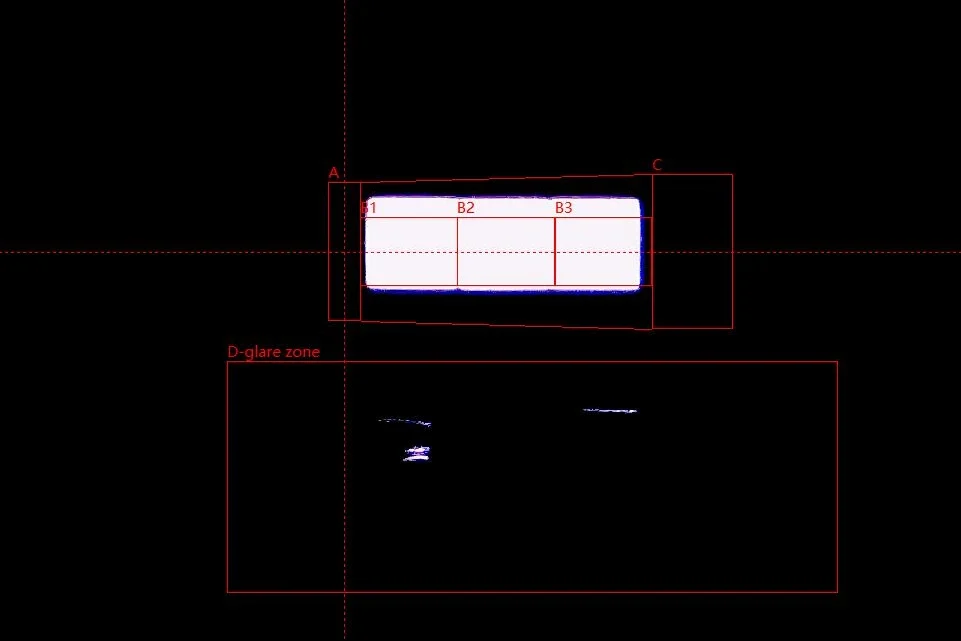
Box system emitting-area inspection
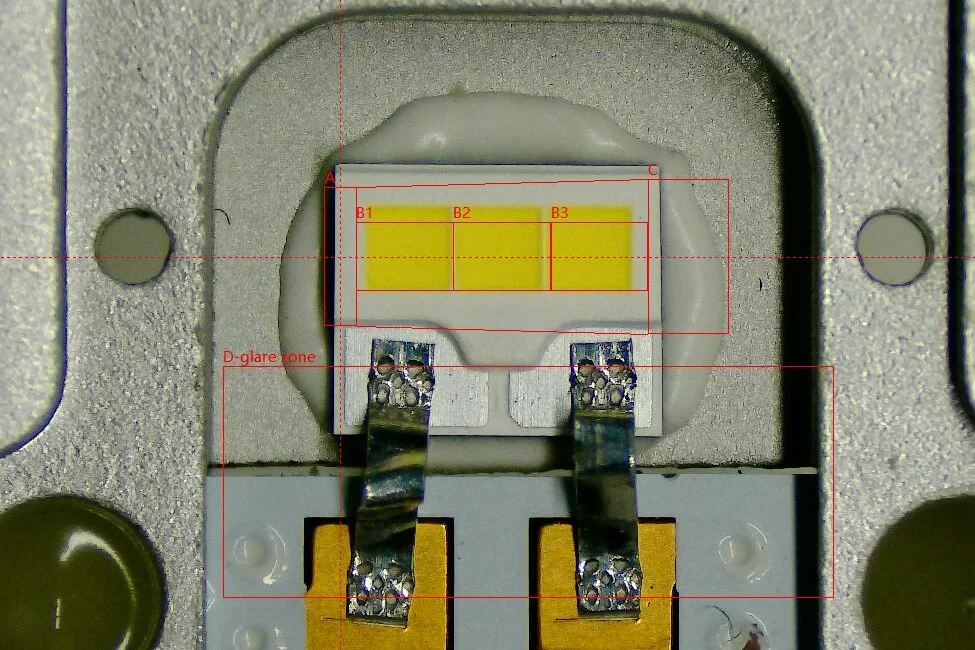
The Box system images document the position of the emitting area relative to the visible reference framework. The supplied illuminated image is treated as bench evidence; this article does not convert it into an unsupported approval claim.
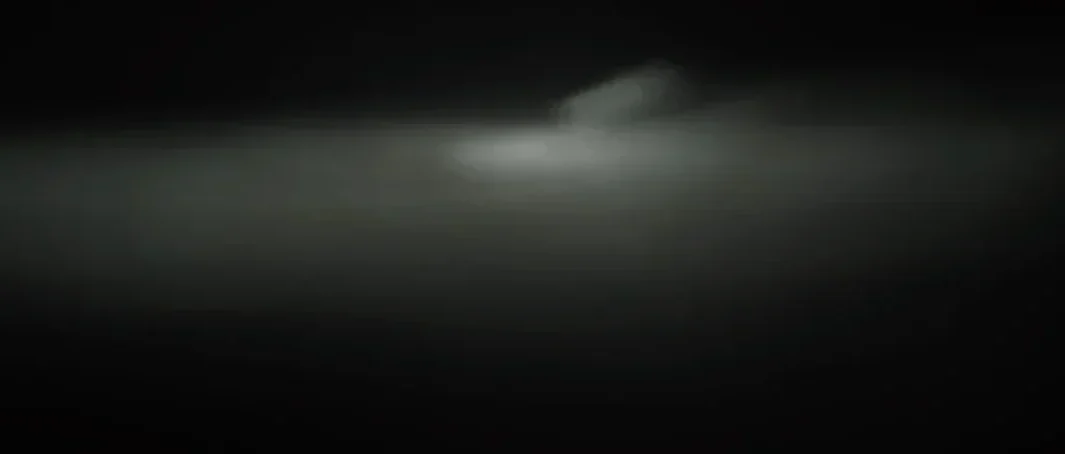
White-wall beam pattern
The white-wall image records the low-beam pattern produced by the sample in the stated setup. It should be read together with the rainbow map and the complete illuminance table.
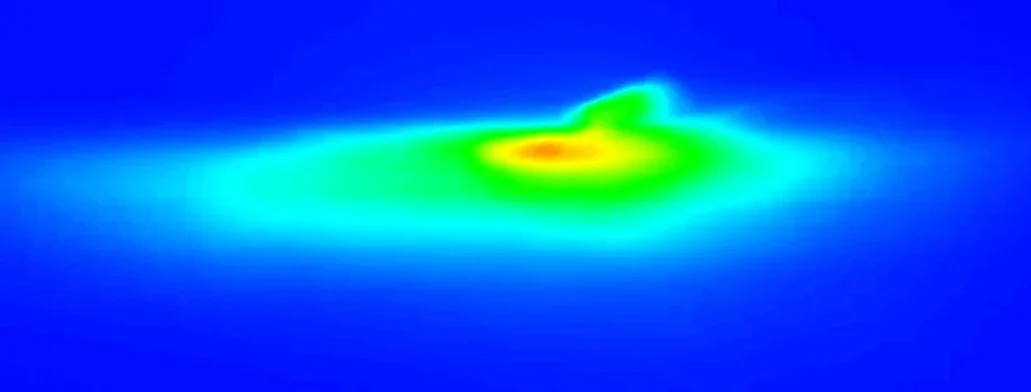
Rainbow map and hotspot distribution
The strongest hotspot is concentrated in the central-right area. The map is interpreted with the recorded 50R and 75R values rather than as a standalone performance claim.
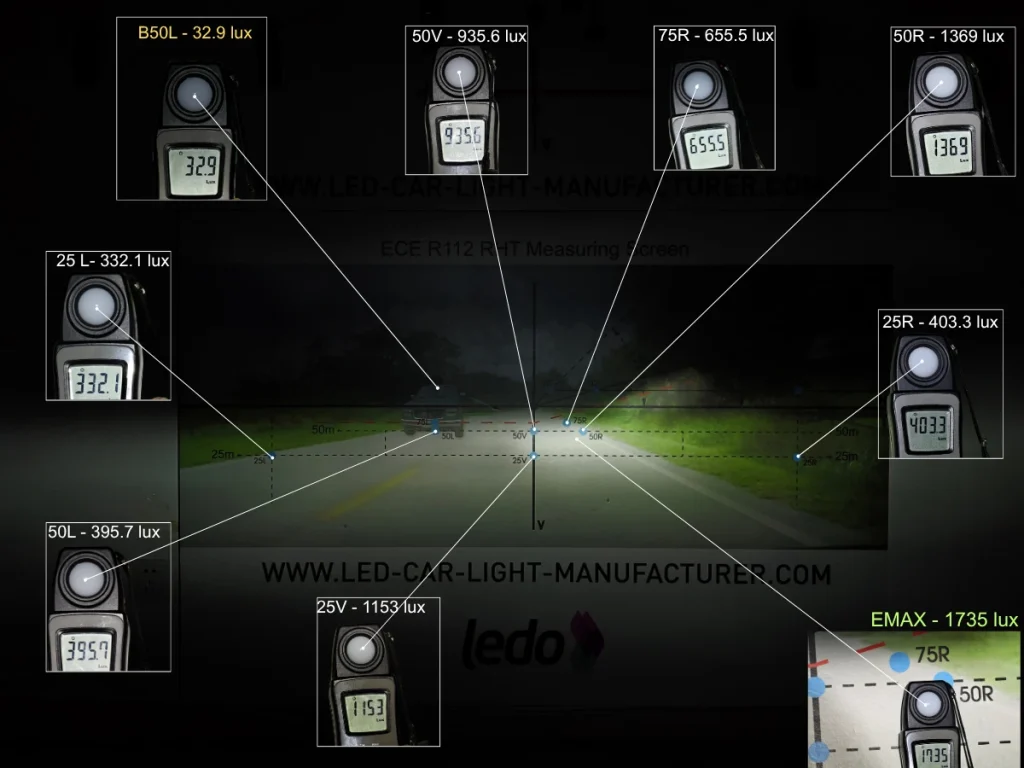
Complete nine-point illuminance results
|
Point |
Measured illuminance |
Reading area |
|---|---|---|
|
25L |
332.1 lux |
Left-side point |
|
50L |
395.7 lux |
Left-side point |
|
B50L |
32.9 lux |
Glare-control point |
|
50V |
935.6 lux |
Centre point |
|
25V |
1,153 lux |
Centre point |
|
75R |
655.5 lux |
Right-side point |
|
50R |
1,369 lux |
Right-side point |
|
25R |
403.3 lux |
Right-side point |
|
EMAX |
1,735 lux |
Peak reference |
The comparable summary points are 1,369 lux at 50R, 655.5 lux at 75R and 1,735 lux at EMAX. B50L was 32.9 lux.
Temperature and operating noise
The thermal image records a maximum emitting-area surface temperature of 83.8 degrees C after 30 minutes.
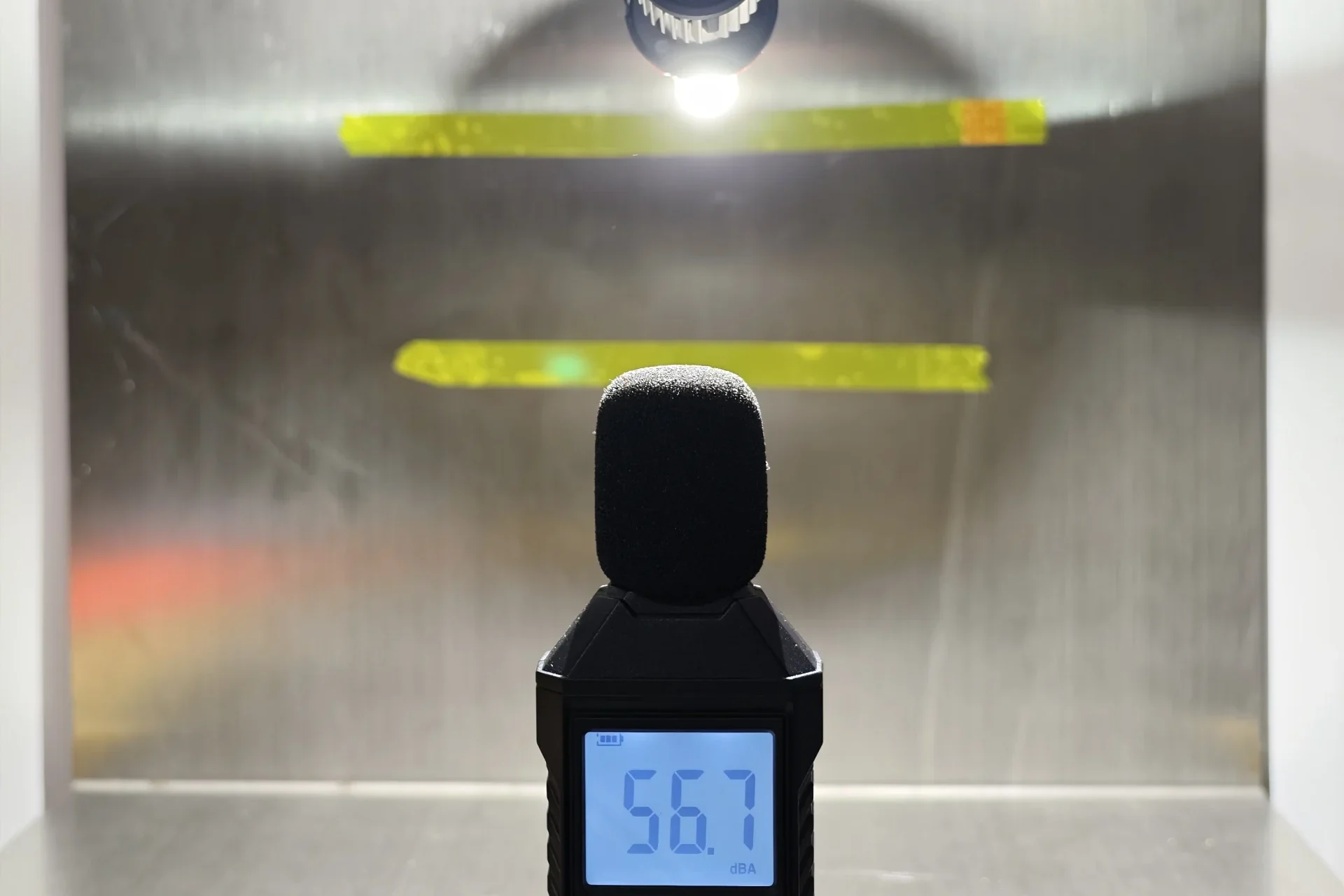
Operating noise was 56.7 dBA at 3.5 cm from the fan. This is a close-range bench reading; installed perception depends on enclosure, distance and vehicle background noise.
Philips H11 LEDr FAQ
Author: Jack Liu, Co-founder & Product Director, LEDOAUTO
Regulatory review: LEDOAUTO Engineering Team, verified against official UNECE documents
Last reviewed: 19 Aug 2026
References
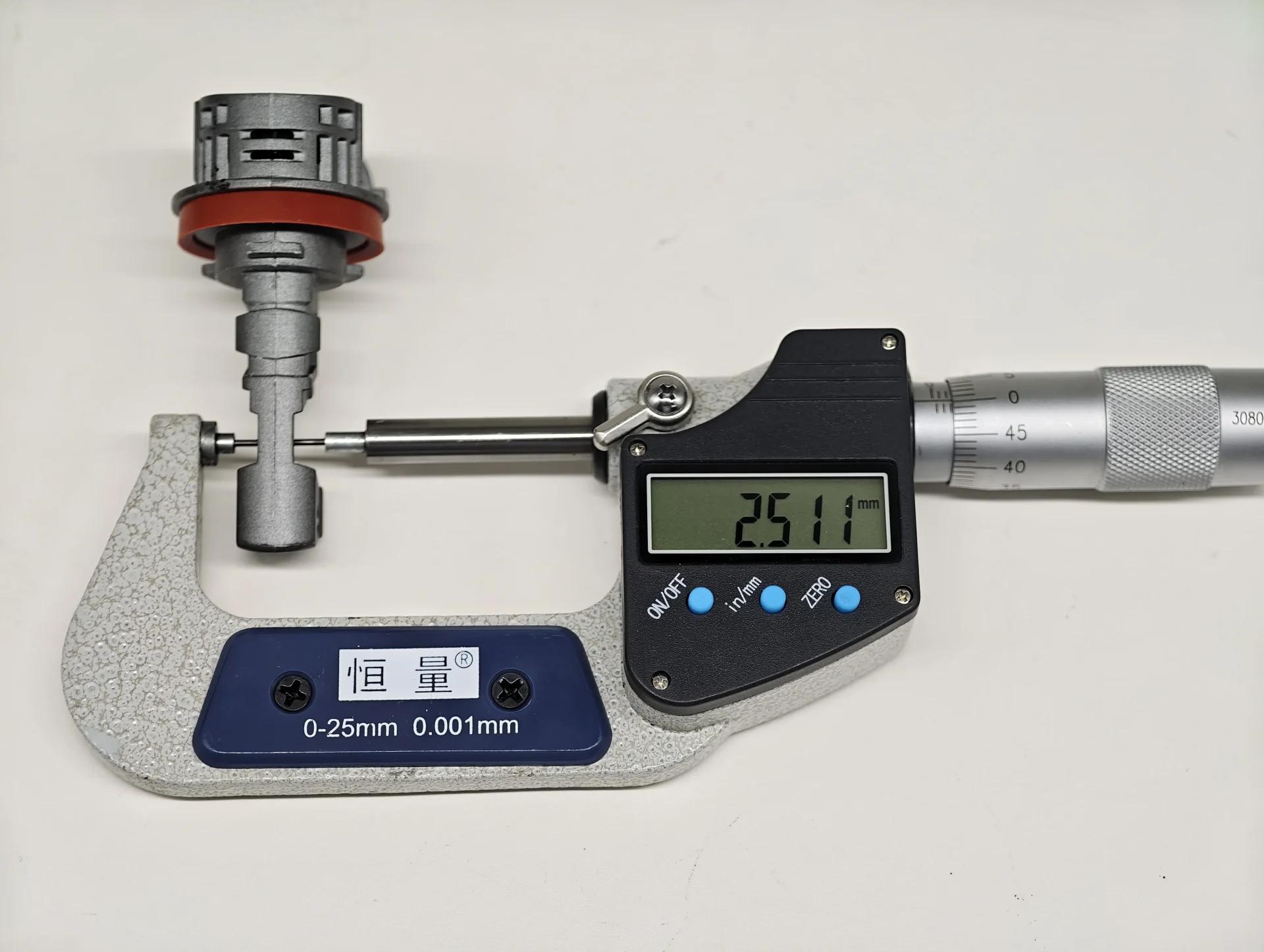
E4E H11 LEDr Review: Construction, Beam Pattern, Illuminance, Temperature and Noise
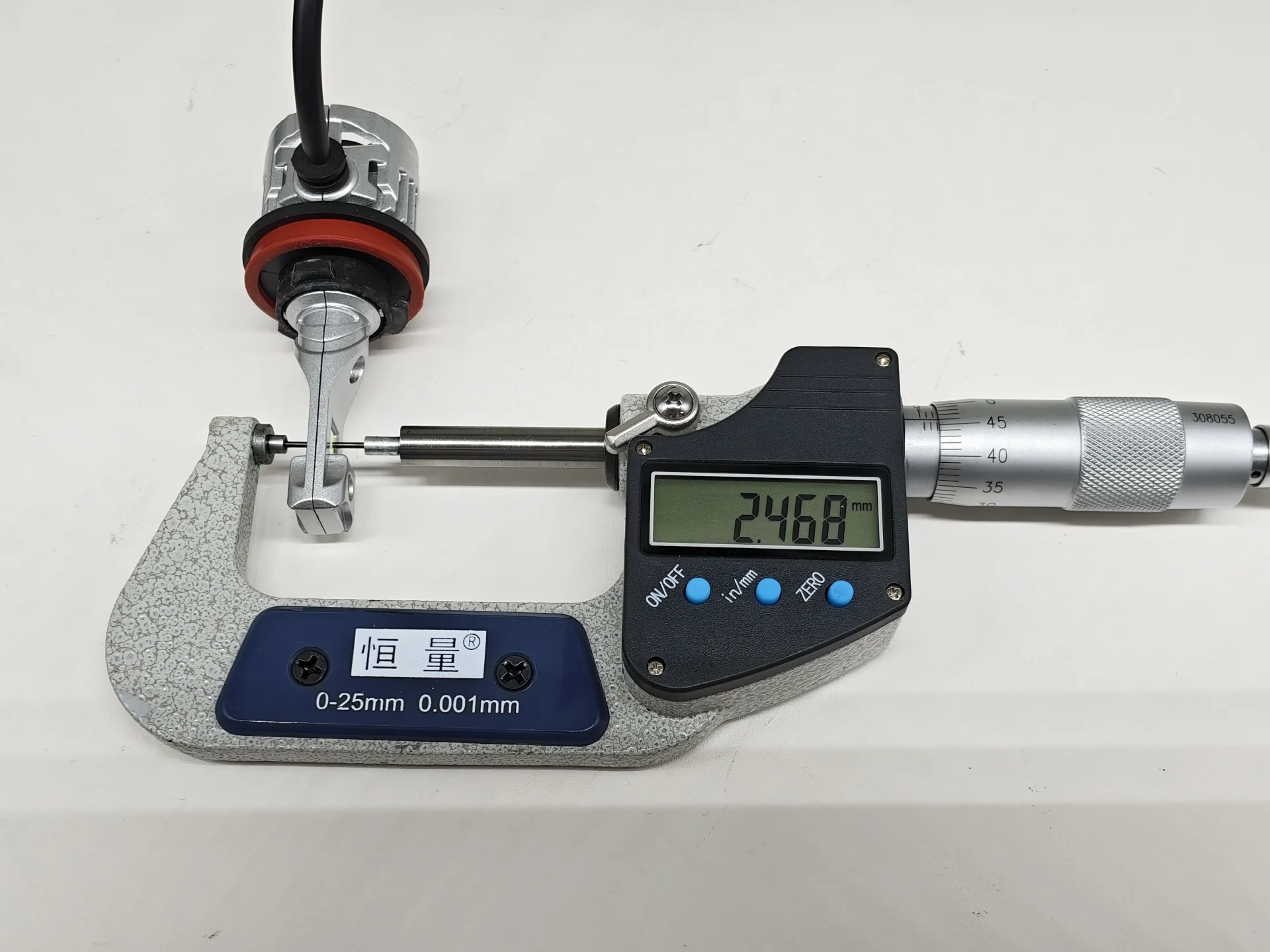
luxfighter H11 LEDr Review: Construction, Beam Pattern, Illuminance, Temperature and Noise
OSRAM H11 LEDr Review:Construction, Beam Pattern, Illuminance, Temperature and Noise
EB H11 LEDr Review: Construction, Beam Pattern, Illuminance, Temperature and Noise
