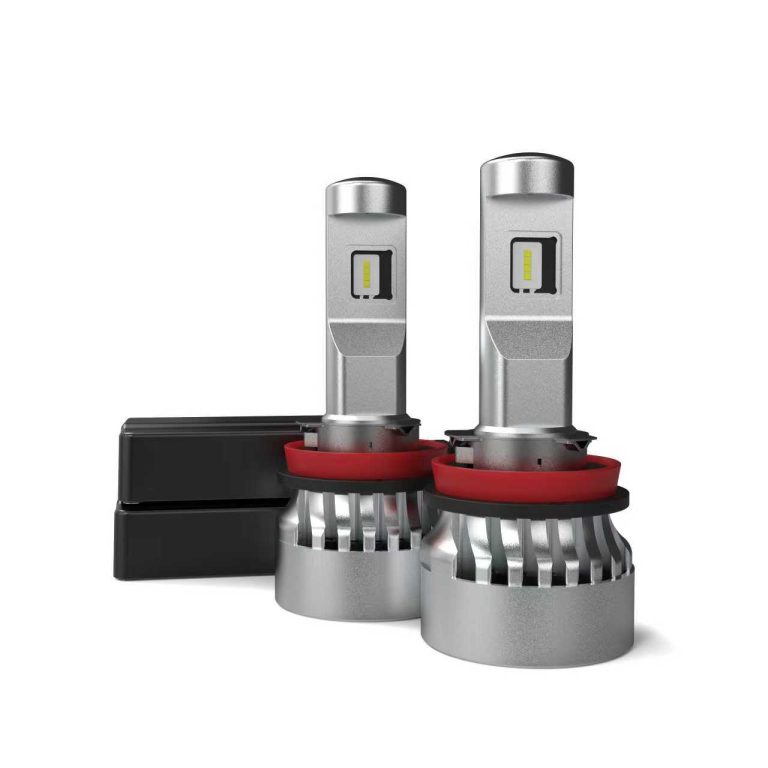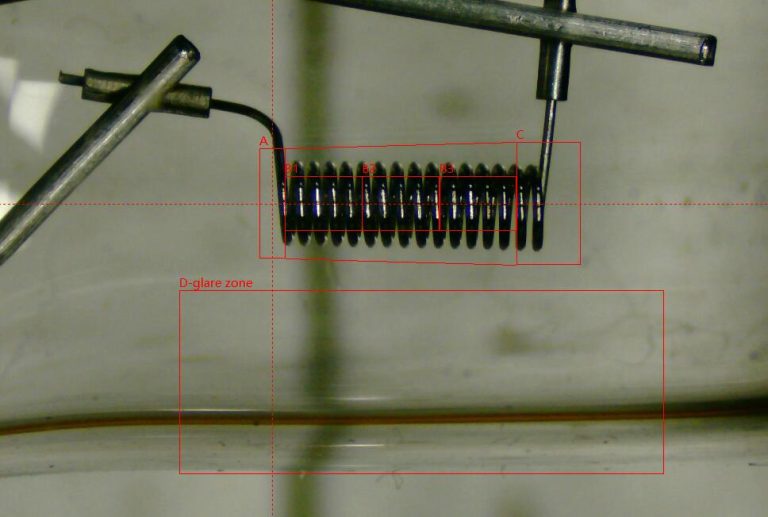
ECE R37 certification is type approval under UNECE Regulation No. 37, the international benchmark for filament light sources used in automotive lighting. Recent amendments extended it to cover LED replacement light sources, called LEDr: LED bulbs approved as official replacements for halogen bulbs of the same category. Most LED bulbs on the market do not hold this approval.
What Does ECE R37 Cover?
UN Regulation No. 37 governs the categories, dimensions, electrical values and light output of filament light sources such as halogen bulbs, and now also the LED replacement light sources for those same categories. Its purpose is to harmonize light source requirements across borders, so that an approved light source performs predictably in the lamp it was designed for.
ECE R37 is a UNECE regulation under the 1958 Agreement, not an EU-only rule. Its contracting parties include EU member states as well as the UK, Norway, Switzerland, Türkiye, Japan, Australia and others. An R37 approval issued in one contracting state is recognised by the other contracting states under the Agreement’s mutual recognition framework, subject to the conditions of each approval.
What Is an LEDr (LED Replacement Light Source)?
An LEDr is an LED light source designed to replace a filament light source of the same category name in an already approved lamp. The definition comes from the UNECE resolution on light source categories (R.E.5): the replacement carries the same category name as the halogen bulb it substitutes, such as H11, while being a different light source technology and a separate approved type.
That definition is narrower than it sounds. An LEDr is not any LED bulb that physically fits a halogen socket. It is a light source that has passed the R37 approval tests for its category, holds its own type approval, and appears in the official category system. If a bulb has no R37 approval, it is not an LEDr, whatever the packaging says.
How Is LEDr Different from an Ordinary LED Bulb?
The first difference is approval status. An LEDr holds a UN type approval under R37; an ordinary LED retrofit bulb holds none, even when it carries other markings such as CE or an R10 EMC reference.
The second difference is standardization. An LEDr must reproduce the standardized geometry of its halogen category, including the position and size of the light-emitting area, so that an approved headlamp or fog lamp produces a beam pattern equivalent to the one it was designed for. Ordinary LED bulbs vary freely in emitter position and shape, which is why their beam performance in a reflector is unpredictable.
The third difference is what each may claim for road use. An LEDr used within its approval conditions has a UN type-approval basis in the contracting states of the 1958 Agreement. An unapproved LED retrofit has no such basis. Note that “fits the socket” and “approved for road use” remain two separate statements even for an LEDr: actual road use depends on the approval scope, correct installation and the rules of the country where the vehicle is used.
What the E-mark on an LEDr Means
Authenticity is marked on the bulb itself. Every approved LEDr must carry:
- The E-mark: the letter E followed by a country code (for example E1 or E24) inside a circle, identifying the authority that issued the approval.
- The category and LEDr marking: the category name (such as H11) followed by “LEDr”, together with the applicant’s trademark or trade name and the rated voltage.
- The approval code: a unique code linked to the official approval documents for that type.
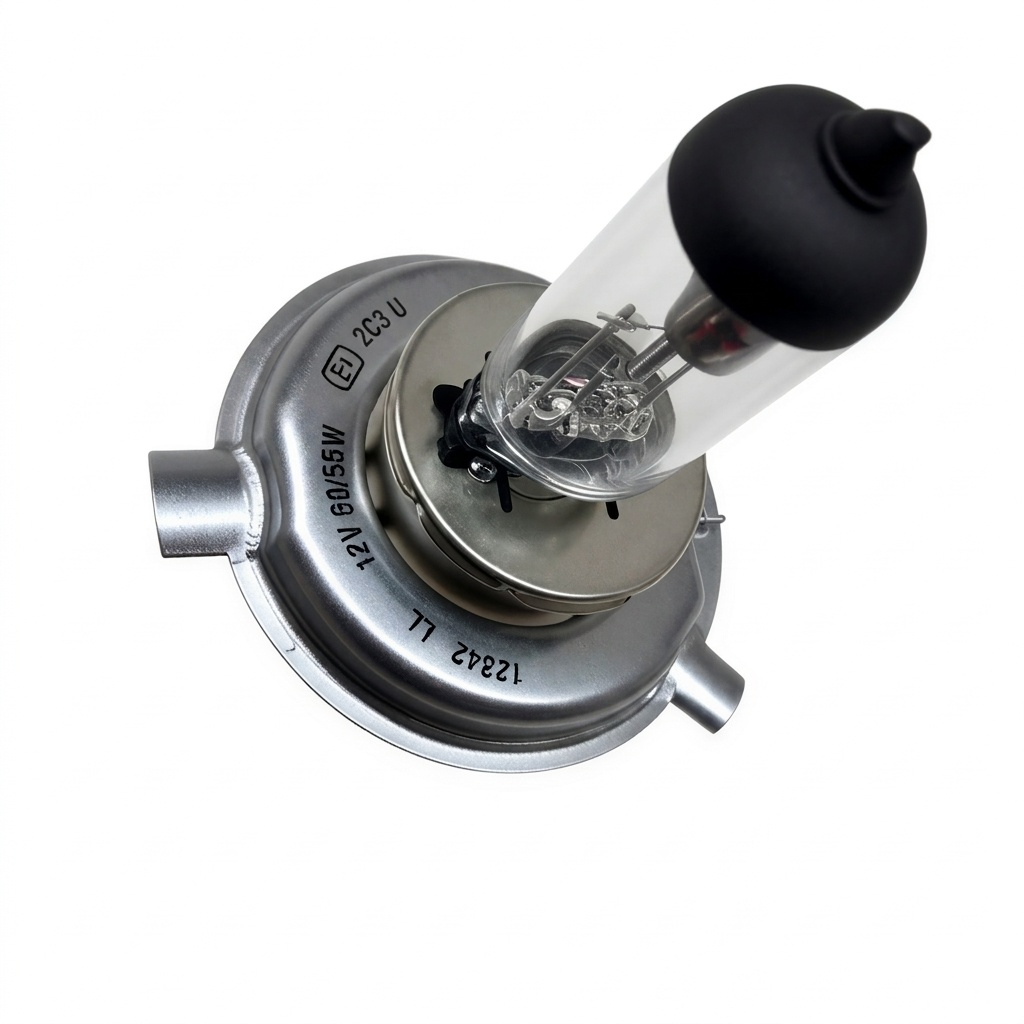
Two readings of the E-mark are wrong and worth avoiding. The country number after the E identifies the approval authority, not the place of manufacture. And an E-mark by itself does not prove road legality: it must correspond to a real R37 approval for that exact type and category, which a buyer can verify against the approval documents.
Which Categories Are Approved Today?
|
Category |
Status |
Effective date |
Source |
|---|---|---|---|
|
C5W |
Approved LEDr category |
Listed in R.E.5 Group 5 |
|
|
H11 (including Configuration 2) |
Approved LEDr category |
13 Nov 2024 (Configuration 2) |
|
|
H8, H16, HB4 |
Approved LEDr categories |
11 Mar 2026 (R.E.5 Amendment 12) |
|
|
H10 |
Draft under development, not approved |
— |
Informal GRE working document (GRE-94-19, 2026) |
|
H4, H7 |
Not listed as UN R37 LEDr categories |
— |
R.E.5 Group 5 (current version) |
For H4 and H7, some countries operate national approval schemes based on vehicle compatibility lists. Those national schemes are separate from UN R37 category approval and apply only to the vehicles on each list. Until the dedicated category page is published, use the Complete Guide to ECE R37 LEDr for the current status and verification boundaries.
Status verified: July 2026.
Where to Go Next
This page covers the definition and boundaries. For the full picture, including how approval testing works, how to verify a certificate and how B2B sourcing runs in practice, continue with the Complete Guide to ECE R37 LEDr. If you are evaluating an approved product directly, see the ECE R37 certified H11 LEDr product.
Frequently Asked Questions
By Jack Liu, Co-founder & Product Director, LEDOAUTO
Regulatory review: LEDOAUTO Engineering Team — verified against official UNECE documents · Last reviewed: 30 July 2026